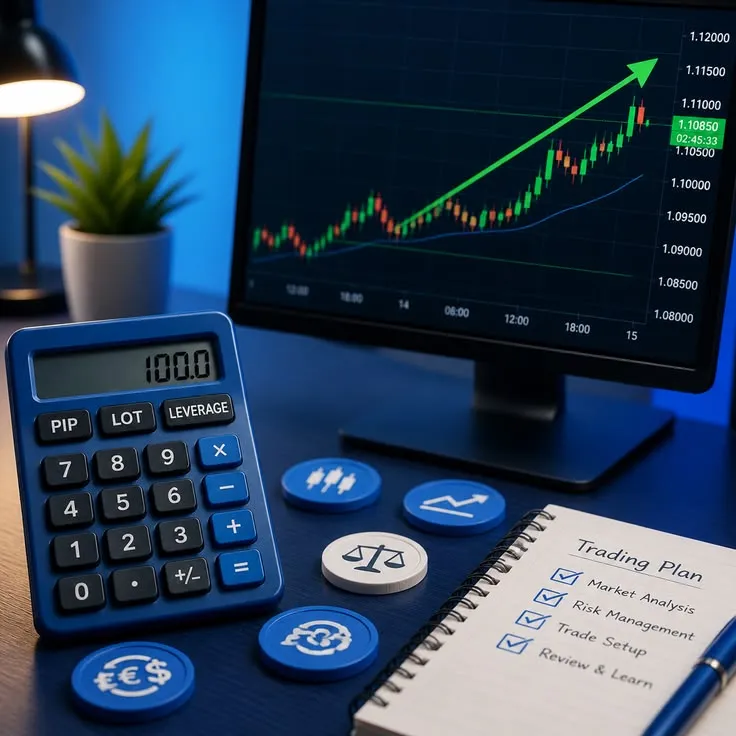
Learning forex becomes easier when beginners have a clear idea of what they want to understand first. Knowing how to create a demo account is only the starting point, because the real value comes from using practice time productively. A beginner can use simulated trading to explore currency pairs, understand price quotes, test order functions, and observe how positions change. Setting a few simple learning goals before opening the account can prevent random trading and make the entire practice period more focused, organized, and useful.
Prepare the Basic Account Details
Creating a practice account usually requires some basic information and a few simple account choices. Before beginning, users should have their preferred email address and other required details ready so the registration process does not become unnecessarily interrupted. They may also need to select account preferences or complete basic verification steps depending on the platform. Taking a moment to read each field carefully is worthwhile because accurate information can make future account access, platform setup, and communication much easier to manage.
Choose the Right Practice Environment
A foreign exchange demo account gives beginners a simulated environment where they can explore currency trading without immediately committing personal funds. This makes it possible to observe currency movements, test different order types, and understand how trading software responds to changing prices. The practice environment should be treated as a learning space rather than a competition. Users can take their time examining the interface, checking available instruments, and understanding how their simulated balance changes after different trading decisions during practice sessions.
Explore Currency Pair Information
Once the account is ready, beginners can spend time understanding how currency pairs are presented on the platform. A pair represents the relationship between two currencies, with one positioned as the base currency and the other serving as the quote currency. Watching several pairs can show how prices behave differently throughout various market sessions. Rather than opening positions immediately, users can first observe price changes and compare movements between major pairs, building a basic understanding of how the forex market communicates through changing exchange rates.
Practice Reading Market Charts
Charts can turn unfamiliar price information into something easier to observe because they display movement across selected periods. Beginners can experiment with different timeframes and watch how short-term fluctuations compare with broader movements. Candlestick charts, line charts, and other available views may present the same market information differently. New users do not need advanced technical analysis at this stage. Simply learning how to adjust a chart, identify recent movement, and follow price changes can make the platform feel considerably more understandable.
Test Orders With Patience
After becoming comfortable with charts, users can practice placing different types of simulated orders. This may include market orders and pending orders, depending on the functions available through the platform. The purpose is to understand the sequence involved in entering, monitoring, and closing a position rather than trying to generate impressive practice results. Beginners should observe what happens when prices move after an order is opened. This can demonstrate why entry timing, position size, and market direction can influence a trade’s outcome.
Keep a Record of Each Session
Maintaining simple notes can make demo trading much more educational than repeatedly opening positions without reflection. Beginners can record the instrument they watched, the reason behind a simulated decision, the expected price movement, and what eventually happened. Reviewing these notes after several sessions may reveal patterns in their thinking. Someone might notice frequent impulsive entries or a tendency to change decisions too quickly. Identifying these habits early can provide useful direction for further learning and encourage a more deliberate approach to market analysis.
Conclusion
Opening a forex demo account is useful when the goal is to build understanding rather than chase simulated profits. Beginners can use the practice period to learn account functions, observe currency pairs, read charts, test orders, and develop a consistent review process. The experience can provide a practical introduction to trading mechanics while keeping the focus on education and preparation. btcdana.com offers trading-related resources that users can explore while learning about forex markets and practice environments. Careful learning and realistic expectations can create a stronger starting point for future trading decisions.
